Rainy Season Hair Care in Nairobi: Locs & Braids
Rainy season hair care in Nairobi starts with drying locs and braids properly. Protect your style, manage frizz and care for lash extensions.
Nairobi’s rainy season can turn a simple commute into a hair-care challenge. One minute your braids or locs are looking fresh, and the next they’re damp, frizzy or taking forever to dry. Good rainy season hair care in Nairobi comes down to three things: protecting your style from unnecessary moisture, drying your hair properly when it gets wet, and knowing when routine maintenance is due. If you also wear lash extensions, a few adjustments to your daily routine can help you care for them through the wet weather.
Key Takeaways
- Dry wet braids and locs thoroughly instead of leaving them damp for hours.
- Use a hooded dryer on an appropriate setting when needed, or allow enough time for complete air-drying.
- Choose lightweight products that suit your hair and avoid layering heavy oils onto damp roots.
- Keep lash extensions clean and follow your lash technician’s aftercare instructions.
- Book maintenance when your style needs attention, not simply because it has rained.
How does Nairobi’s rainy weather affect locs and braids?
Rain and humid air can make it harder for hair and extensions to dry quickly. Natural hair around your roots may feel puffier, while the surface of braids and locs can develop frizz. The biggest concern, however, is not a few drops of rain. It is moisture that stays trapped inside a dense hairstyle for too long.
This matters particularly for thick braids, tightly packed locs and styles with substantial extensions. The outside can feel dry while the inner sections remain damp. Repeatedly tying up wet hair or covering it before it has dried can make the problem worse.
You do not need to avoid protective styles throughout the rainy season. You need a reliable routine for dealing with moisture.
If you’re considering a new style before the weather gets wetter, browse locs and dreadlock services in Nairobi or braids and twists at Fabz Hair to explore your options.
Stylist Tip
How do you dry braids and locs after getting caught in the rain?
Start by removing excess water without roughing up your hairstyle. Use a clean, absorbent microfibre towel or soft cotton T-shirt to gently press the wet sections. Avoid aggressive rubbing, which can increase frizz and disturb the finish of your style.
Next, separate thick sections gently so air can reach the inner layers. Pay particular attention to the roots, the nape of your neck and the areas where several braids or locs sit close together.
You have two main drying options:
- Air-drying: Best when you have several hours available in a well-ventilated room. Keep the hair loose and allow air to reach the roots and inner sections.
- Hooded drying: Useful when you need more controlled drying. Use a salon dryer at a comfortable, appropriate setting and allow enough time for moisture to leave the inner sections.
A hooded dryer is not automatically better for every hairstyle. The right method depends on the style, how wet it is and the condition of your hair. Avoid excessive heat, and don’t assume that a dry-feeling surface means the entire style is dry.
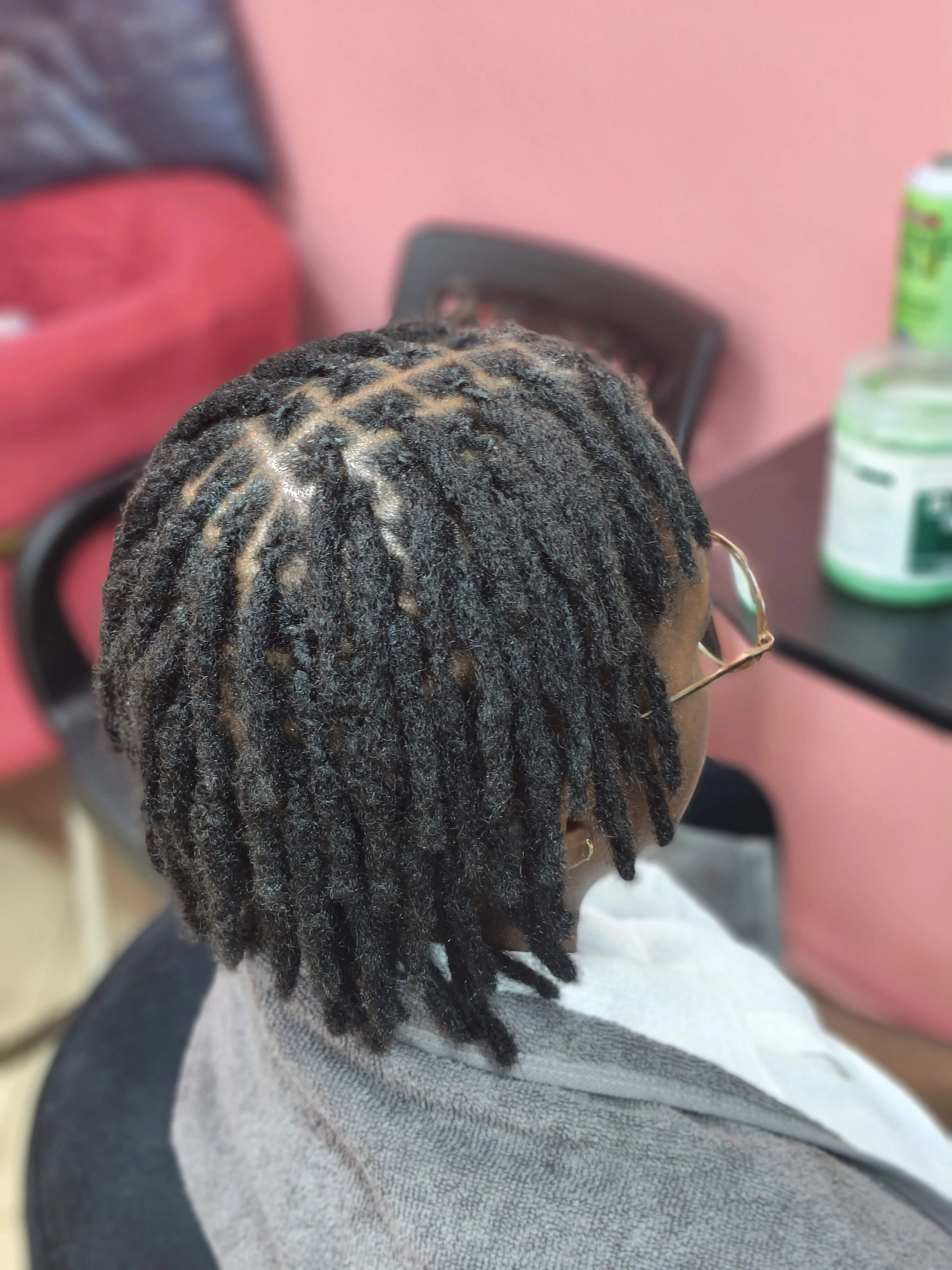
A hairstyle isn't fully dry just because the outside feels dry.
If your hair still feels damp near the scalp or inside thick sections, give it more drying time. Persistent musty odour, unusual scalp irritation or ongoing dampness deserves attention rather than another layer of styling product.
Why can wet braids develop a musty smell?
Wet braids can develop an unpleasant smell when moisture, sweat, oils and product residue remain in the hairstyle for too long. A musty smell is a reason to check your drying routine and scalp condition, although it does not automatically mean mould is present.
Braids and locs can hold moisture in areas that are difficult to reach. This is why washing or getting caught in heavy rain requires enough time for thorough drying afterwards.
To reduce the risk of persistent odour:
- Dry the roots and inner sections after they get wet.
- Avoid tying up damp hair or covering it tightly while it dries.
- Use cleansing products appropriate for your hairstyle and follow the care instructions for your extensions.
- Avoid applying heavy oils or thick creams to damp roots in an attempt to cover an unpleasant smell.
If the smell persists despite proper washing and drying, or you notice itching, tenderness or scalp changes, consult a qualified stylist or healthcare professional as appropriate. Don’t simply mask the smell with fragrance.
Which products help with rainy season hair care in Nairobi?
You do not need an entirely new shelf of products when the weather changes. Focus on products that address your actual concern without leaving unnecessary buildup.
| Product type | What it helps with | What to watch for |
|---|---|---|
| Lightweight hair oil | Helps lubricate hair and reduce friction | Use sparingly and avoid coating damp roots |
| Suitable leave-in product | Helps manage dryness and surface frizz | Choose one compatible with your hair and style |
| Gentle cleansing product | Helps remove sweat and residue | Follow the care routine appropriate for your locs or braids |
| Microfibre towel | Helps absorb excess surface water | Press gently rather than rubbing |
| Clean, breathable head covering | Helps protect a style during a commute | Remove it when practical if the hair underneath is wet |
For braids and locs, more product is not always better. Heavy layers can accumulate around the scalp and make cleansing more difficult. If your hair feels coated or greasy, review your routine instead of adding another oil.
Carry a compact umbrella and use a breathable covering when practical. These simple steps can reduce unnecessary soaking, although they cannot guarantee that your hairstyle will stay completely dry in heavy rain.
How should you care for lash extensions in humid weather?
Lash extensions need a different routine from braids and locs. Rain on its own does not automatically ruin a properly applied set, but excess rubbing, unsuitable products and poor hygiene can affect their appearance and condition.
Follow the aftercare instructions given by your lash technician, particularly during the adhesive’s initial curing period. Different adhesives and application methods can have different requirements, so there is no universal waiting period that applies to every set.
Once your technician says cleansing is appropriate, keep the lash line clean with a suitable lash cleanser. Rinse as directed and gently pat the area dry. Avoid rubbing your eyes, pulling at extensions or using cotton fibres that can snag on them.
Be careful with oil-based products around the eyes if your lash technician advises against them. If you use mascara or other eye makeup, check that it is compatible with your extensions and their adhesive.
If you experience eye pain, significant redness, swelling or changes in vision, seek prompt medical advice rather than trying to solve the problem with lash products.
You can explore the available beauty services at Fabz Hair and Beyond, including lash extensions, and ask your technician for aftercare guidance suited to your set.
When should you book a loc retwist or braid refresh after heavy rain?
Rain exposure alone is not a reason to book an immediate retwist or reinstall. Your next appointment should depend on the condition of your hairstyle, your normal maintenance schedule and whether moisture has caused a persistent problem.
For locs, look for noticeable new growth, roots that need attention, or a style that no longer sits as you want it to. Fabz recommends routine retouch appointments at intervals suited to your locs, commonly around four to eight weeks, depending on the style and maintenance needs.
For braids, check for excessive frizz, loose sections, uncomfortable tension or signs that the style has reached the end of its comfortable wear period. A refresh may help with appearance, but repeatedly tightening a style is not the answer to every problem.
If a hairstyle remains damp, smells musty or causes scalp discomfort, address that concern before booking a purely cosmetic refresh. A stylist can help assess whether your style needs cleansing, drying support, maintenance or removal.
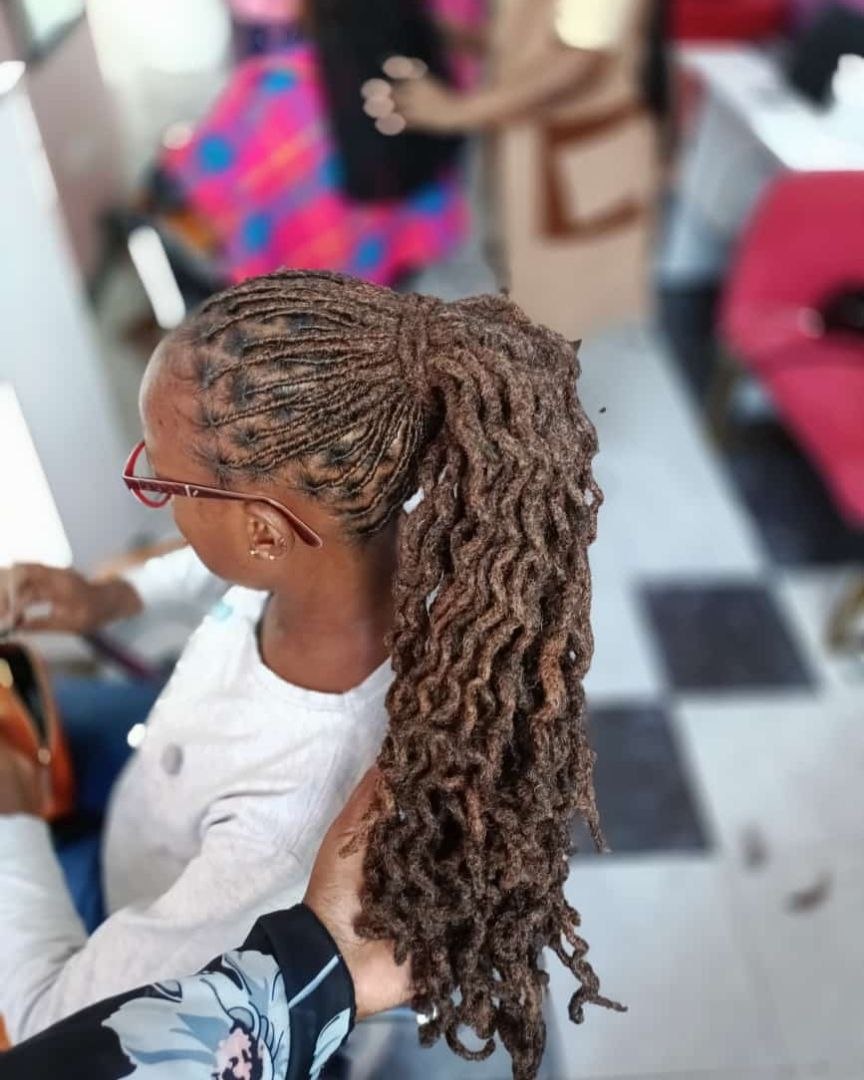
Featured Service
Loc Retouch
Refresh your roots and tidy new growth when your locs are due for routine maintenance.
How do you choose the right rainy-season hair routine?
Go with air-drying if your hair is only slightly damp and you have enough time and ventilation for it to dry completely.
Go with controlled hooded drying if your hairstyle is dense, has become thoroughly wet, or needs help drying evenly. Use an appropriate setting and ask a stylist for guidance if you’re unsure about the best method for your style.
Go with a product reset if your hair feels coated or your scalp is uncomfortable. Review your cleansing and styling routine rather than layering more oil or fragrance over the problem.
Go with a maintenance appointment if your roots need attention, your braids are becoming uncomfortable, or your style has developed persistent problems you cannot resolve with normal aftercare.
For professional guidance, Fabz Hair and Beyond serves clients at its Embakasi studio near Fedha Stage, the CBD studio at Kenya Cinema Plaza on Moi Avenue, and the Kitengela studio near Kitengela Mall. You can find directions and contact details on the studio locations page.